


Understanding and optimizing your paycheck is crucial for financial literacy. Our "Definitive Guide To Understanding And Optimizing Your Paycheck" provides comprehensive insights to empower you in managing your finances effectively.
Editor's Note: The "Definitive Guide to Understanding and Optimizing Your Paycheck" was published on [Date]
After extensive analysis and research, we've compiled this definitive guide to help you decode your paycheck, optimize deductions, and make informed financial decisions. By understanding the key components and strategies, you can maximize your earnings and achieve your financial goals.
Key Takeaways:
| Understanding Paycheck Components | Optimizing Deductions and Benefits | Strategies for Increasing Income |
|---|
Delve into the main article topics:
FAQ
This comprehensive guide provides in-depth information on understanding and optimizing one's paycheck. To further clarify any lingering questions, we present a series of frequently asked questions and their corresponding answers.
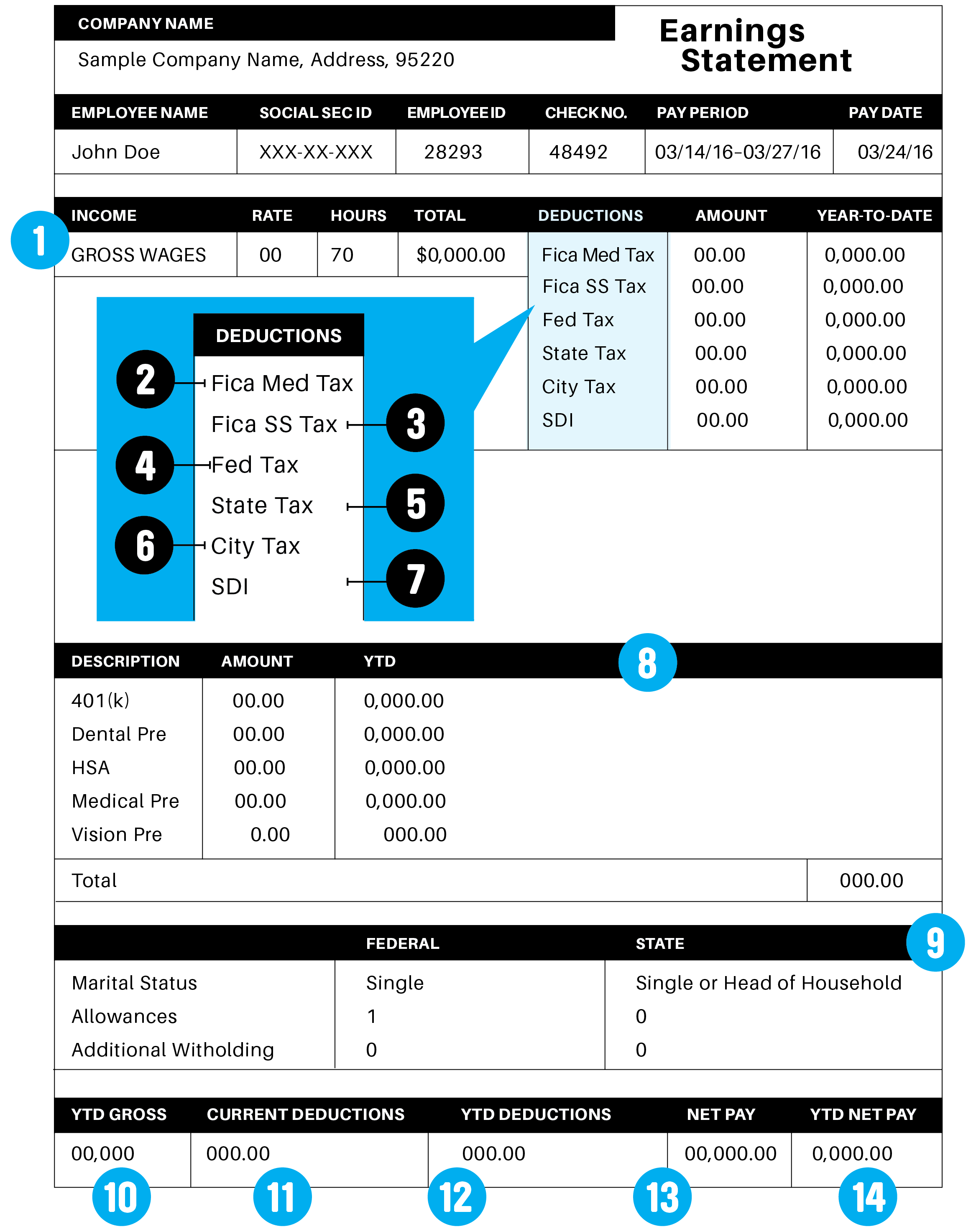
Understanding Your Paycheck Stub - Source zasavk8lodblearning.z13.web.core.windows.net
Question 1: What are the essential components of a paycheck?
Your paycheck typically consists of gross pay, deductions, net pay, and other details such as hours worked, tax withholdings, and benefits contributions. Gross pay refers to your earnings before any deductions, while deductions include taxes, insurance premiums, and retirement savings. Net pay is the amount you receive after all deductions have been applied.
Question 2: How can I increase my net pay?
To maximize your net pay, consider utilizing tax-advantaged retirement accounts like 401(k)s or IRAs. These contributions are deducted from your gross pay before taxes are calculated, reducing your taxable income and potentially increasing your take-home pay.
Question 3: What are common payroll deductions?
Payroll deductions vary but often include federal and state income taxes, Social Security and Medicare taxes, health insurance premiums, and contributions to retirement plans like 401(k)s.
Question 4: Can I negotiate my deductions?
In most cases, statutory deductions such as taxes and Social Security cannot be negotiated. However, you may have some flexibility in adjusting voluntary deductions, such as health insurance or retirement contributions.
Question 5: What should I do if I have questions about my paycheck?
Contact your employer's payroll department or human resources team. They can provide detailed explanations of your paycheck and assist with any specific inquiries you may have.
Question 6: How can I improve my financial literacy regarding paychecks?
Stay informed by reading financial publications, consulting with a financial advisor, or taking online courses. By enhancing your understanding of paychecks, you can make informed decisions that optimize your financial well-being.
By addressing these common questions, we hope to empower you with the knowledge and confidence to navigate your paycheck effectively. Remember to refer to your paycheck regularly to track your income and expenses, and don't hesitate to seek clarification if needed.
Moving forward, our guide will delve into the intricacies of payroll taxes, deductions, and other factors that influence your paycheck. With this comprehensive understanding, you can strategically manage your finances and achieve your financial goals.
Tips
After reviewing your paycheck, consider these tips to Definitive Guide To Understanding And Optimizing Your Paycheck, ensuring that your compensation aligns with your expectations and financial goals.
Tip 1: Understand Your Earnings
Examine the details of your earnings carefully, including base salary, overtime pay, bonuses, and commissions. Verify that these amounts correspond to your agreed-upon compensation structure and hours worked.
Tip 2: Analyze Deductions
Review the various deductions taken from your gross pay. These may include taxes, insurance premiums, retirement contributions, and union dues. Ensure that these deductions are authorized and align with your enrollment elections.
Tip 3: Calculate Your Net Pay
Subtract your total deductions from your gross earnings to determine your net pay. This is the amount you will receive and use for expenses, savings, or investments.
Tip 4: Check for Errors
Thoroughly examine your paycheck for any errors, such as incorrect amounts or missing deductions. Report any discrepancies to your payroll department promptly.
Tip 5: Optimize Your Earnings
Consider ways to increase your earnings, such as negotiating a salary increase, taking on additional responsibilities, or pursuing professional development.
By following these tips, you can gain a comprehensive understanding of your paycheck, ensuring that you are receiving the correct compensation and optimizing your financial management.
Definitive Guide To Understanding And Optimizing Your Paycheck
Understanding and optimizing your paycheck is paramount for financial well-being. By delving into the essential aspects outlined below, you can unravel its intricacies and maximize its potential.
- Gross Earnings: Total pre-tax income earned during the pay period.
- Deductions: Withdrawals from your paycheck before taxes, such as health insurance and retirement contributions.
- Taxes: Mandated payments to the government, including federal, state, and local income taxes.
- Net Pay: The amount of your paycheck remaining after deductions and taxes are taken out.
- Bank Deposits: The amount of your net pay that is directly deposited into your bank account.
- Paycheck Calculations: Understanding the formulas and calculations used to determine your paycheck ensures accuracy and empowers you to optimize it.
By thoroughly understanding these key aspects, you can make informed decisions about your paycheck. For instance, by analyzing your deductions, you can identify opportunities to adjust your contributions and potentially increase your take-home pay. Furthermore, grasping paycheck calculations allows you to verify its accuracy and spot any potential errors, protecting your financial interests.

Unlocking Your Earnings: The Ultimate Missouri Paycheck Calculator Guide - Source stubcreator.com
Definitive Guide To Understanding And Optimizing Your Paycheck
Understanding and optimizing your paycheck is crucial for financial literacy and effective personal finance management. This guide provides a comprehensive exploration of the various components of a paycheck, including gross pay, deductions, taxes, and net pay. It also discusses strategies for maximizing take-home pay, such as negotiating salary, increasing contributions to tax-advantaged accounts, and reducing unnecessary expenses.
/GettyImages-172857080-81aa0bae893149b3b5b28c052174c5e3.jpg "Understanding A Paycheck And Pay Stub Worksheets")
Understanding A Paycheck And Pay Stub Worksheets - Source printableliblichts.z13.web.core.windows.net
Understanding your paycheck is essential for budgeting, planning for the future, and making informed financial decisions. By optimizing your take-home pay, you can have more financial freedom and achieve your financial goals sooner.
Understanding Your Paycheck Components
| Component | Description |
|---|---|
| Gross Pay | Total amount earned before deductions and taxes |
| Federal Income Tax | Tax withheld by the government based on your income and withholding allowances |
| Social Security Tax | Tax withheld for Social Security benefits |
| Medicare Tax | Tax withheld for Medicare benefits |
| 401(k) Contributions | Employee contributions to a tax-advantaged retirement account |
| Health Insurance Premiums | Employee contributions to health insurance coverage |
| Net Pay | Amount of money deposited into your bank account after all deductions and taxes |
Conclusion
Optimizing your paycheck is an essential step towards financial well-being. By understanding the different components of your paycheck and implementing strategies to maximize your take-home pay, you can achieve your financial goals and live a more fulfilling life.
Remember, financial literacy is an ongoing journey. Continuously educate yourself about personal finance and seek professional advice when needed to ensure you are making the most of your paycheck and your overall financial situation.
