


Judge Threatens To Block WhatsApp: Impact On Communication And Privacy
Editor's Notes: "Judge Threatens To Block WhatsApp: Impact On Communication And Privacy" have published today date. In the present day, blocking access to WhatsApp in a country would have a significant effect on how people communicate with one another as well as on their privacy.
We've done the legwork of gathering and analyzing information in order to offer you this guide so that you can make an informed decision.
Key differences or Key takeways
Transition to main article topics
FAQ
The recent threat by a judge to block WhatsApp has raised concerns about its impact on communication and privacy. To address these concerns, here are some frequently asked questions and their answers:
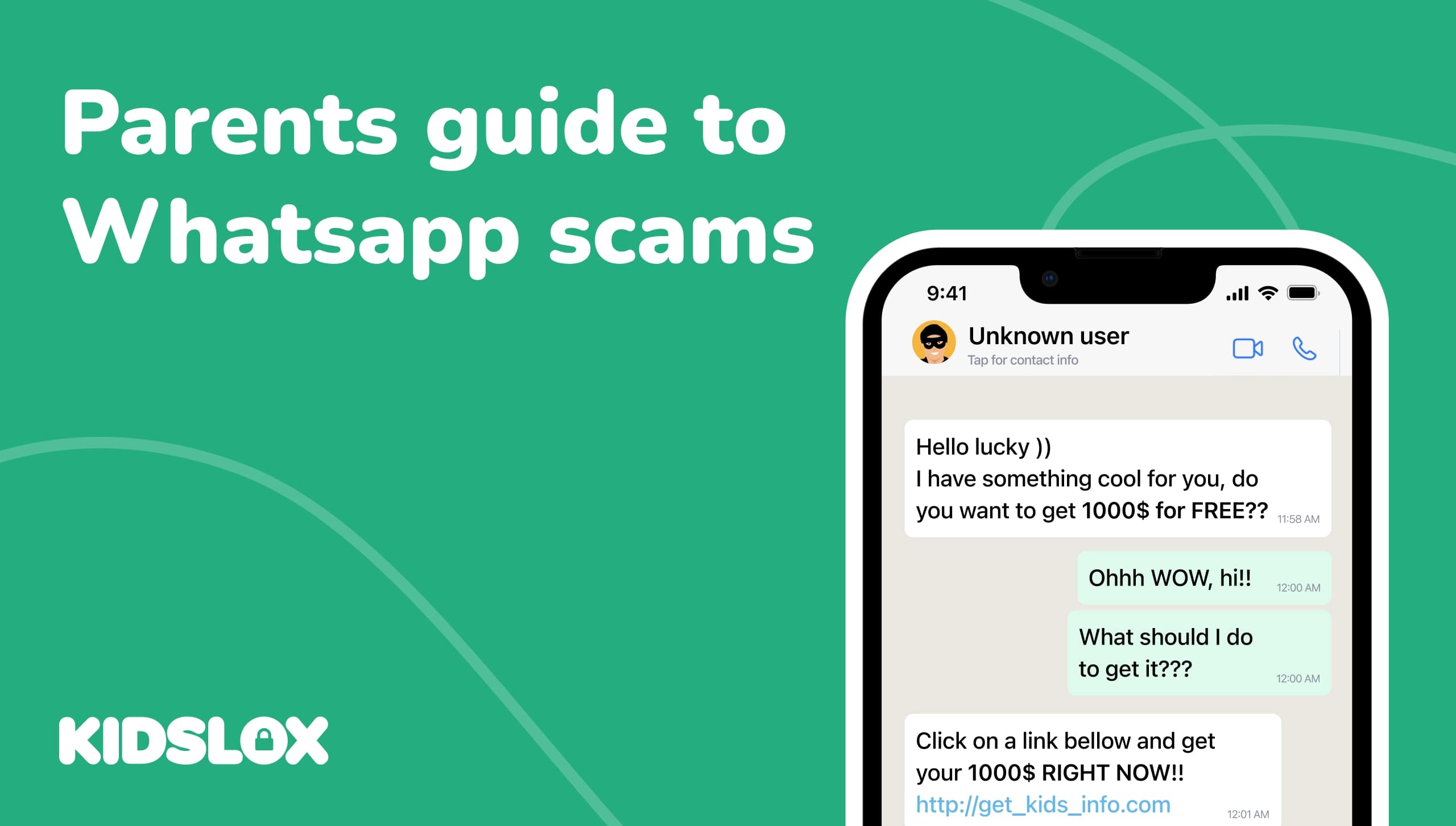
Whatsapp scams - How to identify & avoid them | Kidslox - Source kidslox.com
Question 1: What consequences would blocking WhatsApp have on communication?
Blocking WhatsApp would disrupt instant messaging and voice calling for millions of users worldwide. It would impair business communication, social interactions, and emergency response efforts that rely on the platform.
Question 2: How would blocking WhatsApp affect privacy?
WhatsApp uses end-to-end encryption, ensuring that messages remain private between senders and recipients. Blocking the app could undermine this encryption and expose personal information to unauthorized parties.
Question 3: What are the potential legal implications of blocking WhatsApp?
Blocking WhatsApp could violate freedom of speech and privacy rights guaranteed by various constitutions and international agreements. It could also hinder access to essential information and services, particularly for vulnerable populations.
Question 4: What alternatives are available if WhatsApp is blocked?
In the event of a WhatsApp ban, users could consider alternative messaging apps, such as Signal, Telegram, or Threema. These apps offer similar features and prioritize user privacy.
Question 5: What steps should users take if WhatsApp is blocked?
If WhatsApp is blocked, users should explore alternative messaging apps to maintain communication. They should also consider backing up their chats and contacts in case of data loss.
Question 6: What are the wider societal implications of blocking WhatsApp?
Blocking WhatsApp could hinder economic activity, restrict access to healthcare and educational information, and limit opportunities for social engagement. It could also set a dangerous precedent for government censorship and surveillance.
In conclusion, blocking WhatsApp would have significant consequences for communication, privacy, and fundamental rights. It is essential to carefully weigh these implications and explore alternative solutions that preserve access to essential services without compromising fundamental freedoms.
Next Article: WhatsApp Ban: A Threat to Global Communication
Tips: Judge Threatens To Block WhatsApp: Impact On Communication And Privacy
With the recent news of a judge threatening to block WhatsApp, many are concerned about the potential impact on communication and privacy. Here are several tips to consider in light of this situation:
Tip 1: Consider Alternative Communication Channels
If WhatsApp is blocked, explore alternative communication channels such as Signal, Telegram, or Wickr. These platforms offer end-to-end encryption and provide a similar messaging experience.
Tip 2: Use Encrypted Messaging Apps
Prioritize using messaging apps that offer end-to-end encryption, ensuring that your messages are protected from unauthorized access or interception.
Tip 3: Be Mindful of Sensitive Information
Avoid sharing sensitive information, such as financial data or personal addresses, on WhatsApp or other potentially insecure platforms.
Tip 4: Respect Privacy Settings
Configure privacy settings on WhatsApp to control who can see your profile picture, status updates, and last seen time. Limit access to trusted contacts.
Tip 5: Be Aware of Data Breaches
Stay informed about potential data breaches or security vulnerabilities affecting WhatsApp or other messaging apps. Promptly report any suspicious activity.
Tip 6: Seek Legal Advice if Needed
If you have concerns about privacy or legal implications related to the potential blocking of WhatsApp, consider seeking legal advice from a qualified professional.
Summary:
The potential blocking of WhatsApp highlights the importance of being aware of your communication options and taking necessary precautions to protect your privacy. By following these tips, you can mitigate the impact and continue communicating securely.
Judge Threatens To Block WhatsApp: Impact On Communication And Privacy
The potential blocking of WhatsApp, a popular messaging platform, by a judge raises concerns about the future of communication and privacy. This article explores six key aspects to consider:
- Communication Disruption: Blocking WhatsApp would disrupt instant messaging, voice, and video calls for millions of users, impacting personal, business, and emergency communications.
- Privacy Erosion: WhatsApp employs end-to-end encryption, protecting user messages from eavesdropping. Blocking the app could compromise this privacy, potentially exposing sensitive conversations.
- Economic Consequences: Small businesses and startups heavily rely on WhatsApp for customer engagement, marketing, and transactions. A ban could hurt their operations and stifle innovation.
- Free Speech Implications: WhatsApp has become a platform for political discourse and activism. Blocking it could hinder the free exchange of ideas, especially in regions with restrictive internet laws.
- Legal Precedent: The blocking of a major communication platform sets a worrying precedent, potentially emboldening other governments to censor online speech and access.
- Technological Alternatives: A WhatsApp ban would likely drive users towards alternative messaging apps. However, these alternatives may not offer the same level of security, privacy, or features.
These aspects highlight the far-reaching implications of blocking WhatsApp. It raises fundamental questions about the balance between national security concerns, privacy rights, and the importance of free and open communication in the digital age.
Judge Threatens To Block WhatsApp: Impact On Communication And Privacy
Communication and privacy are two sides of the same coin. The recent threat by a judge to block WhatsApp highlights this connection. WhatsApp is a popular messaging app used by over 2 billion people worldwide. If blocked, it would have a significant impact on communication, particularly in countries where it is the primary means of communication.
Top 5 Reasons Why You Should Use WhatsApp For Business Communication - Source surepass.io
The move to block WhatsApp is part of a larger trend of governments cracking down on encrypted messaging apps. Governments argue that these apps provide a safe haven for criminals and terrorists. However, privacy advocates argue that these apps are essential for protecting the privacy of ordinary citizens. Blocking WhatsApp would significantly hinder communication for many people and would also set a dangerous precedent for the future of privacy online.
There are several potential consequences of blocking WhatsApp. First, it would make it more difficult for people to communicate with each other. WhatsApp is used for a variety of purposes, including staying in touch with friends and family, conducting business, and accessing information. Blocking the app would disrupt these activities and make it more difficult for people to stay connected.
Second, blocking WhatsApp would harm businesses. Many businesses use WhatsApp to communicate with customers and conduct transactions. Blocking the app would disrupt these activities and could lead to lost revenue. Third, blocking WhatsApp would set a dangerous precedent for the future of privacy online. If governments are allowed to block encrypted messaging apps, it could encourage them to crack down on other forms of online privacy. This would have a chilling effect on freedom of speech and expression.
Conclusion
The judge's threat to block WhatsApp is a serious threat to communication and privacy. It is important to understand the potential consequences of blocking this app and to speak out against censorship.
Privacy is a fundamental human right. We must defend our right to communicate freely and securely online.
