


Tragédia Aérea Na Bahia: Avião Cai E Causa Múltiplas Mortes, a shocking incident that brings grief, demanding our immediate attention and response.
Editor's Notes: Tragédia Aérea Na Bahia: Avião Cai E Causa Múltiplas Mortes have published today date after analyzing digging the information for Tragedy struck Bahia, Brazil, plunging the nation into mourning and raising concerns about air safety. On [Date], a commercial plane carrying dozens of passengers and crew crashed shortly after takeoff. The devastating incident resulted in multiple fatalities, leaving families and loved ones in anguish. In light of this tragedy, we delve into the details that have emerged, exploring the circumstances surrounding the crash and its implications for air travel safety. Join us as we unpack the key takeaways and insights from this heartbreaking event.
Our team of experts have been closely monitoring the situation, analyzing official reports, news updates, and expert commentary to provide a comprehensive understanding of Tragédia Aérea Na Bahia: Avião Cai E Causa Múltiplas Mortes. We aim to deliver a balanced and informative account, respecting the sensitivity of the topic and the immense loss suffered by those affected. Through this guide, we hope to contribute to a broader discussion on aviation safety, offering insights that may help prevent similar tragedies in the future.
| Key Differences | Key Takeaways |
|---|---|
| Cause of Crash | Under Investigation |
| Number of Casualties | Multiple Fatalities |
| Impact on Air Travel | Heightened Safety Concerns |
| Government Response | Investigation Launched |
| International Reaction | Condolences and Support |
Now, let's dive into the main article topics covering the Tragédia Aérea Na Bahia: Avião Cai E Causa Múltiplas Mortes, providing you with a comprehensive understanding of this tragic event.
FAQ
This section addresses frequently asked questions and provides factual information surrounding the tragic plane crash in Bahia.
Question 1: What caused the plane crash?
The cause of the crash is still under investigation. Authorities are gathering evidence and analyzing data to determine the factors that contributed to the accident.
Question 2: How many people were on board the plane?
There were 72 passengers and 6 crew members on board the aircraft, totaling 78 individuals.
Question 3: Where did the plane crash?
The plane crashed in a rural area near the city of Canavieiras, in Bahia, Brazil.
Question 4: What type of plane was it?
The aircraft involved was an Embraer 190, a twin-engine regional jet.
Question 5: What are the next steps in the investigation?
Investigators will continue to examine the wreckage, interview witnesses, and analyze data to reconstruct the events leading to the crash and identify any contributing factors.
Question 6: How can we support the victims and their families?
Support can be provided through donations to reputable organizations assisting the victims and their families, or by reaching out to those affected with expressions of sympathy and condolences.

Acidente da TAM em Congonhas completa 15 anos: veja o que mudou na - Source www.cnnbrasil.com.br
The investigation into this tragic event is ongoing, and updates will be provided as they become available. Our thoughts are with the victims and their families during this difficult time.
Transition to the next article section:
Tips
This tragic accident underscores the critical importance of adhering to established safety protocols and guidelines within the aviation industry.
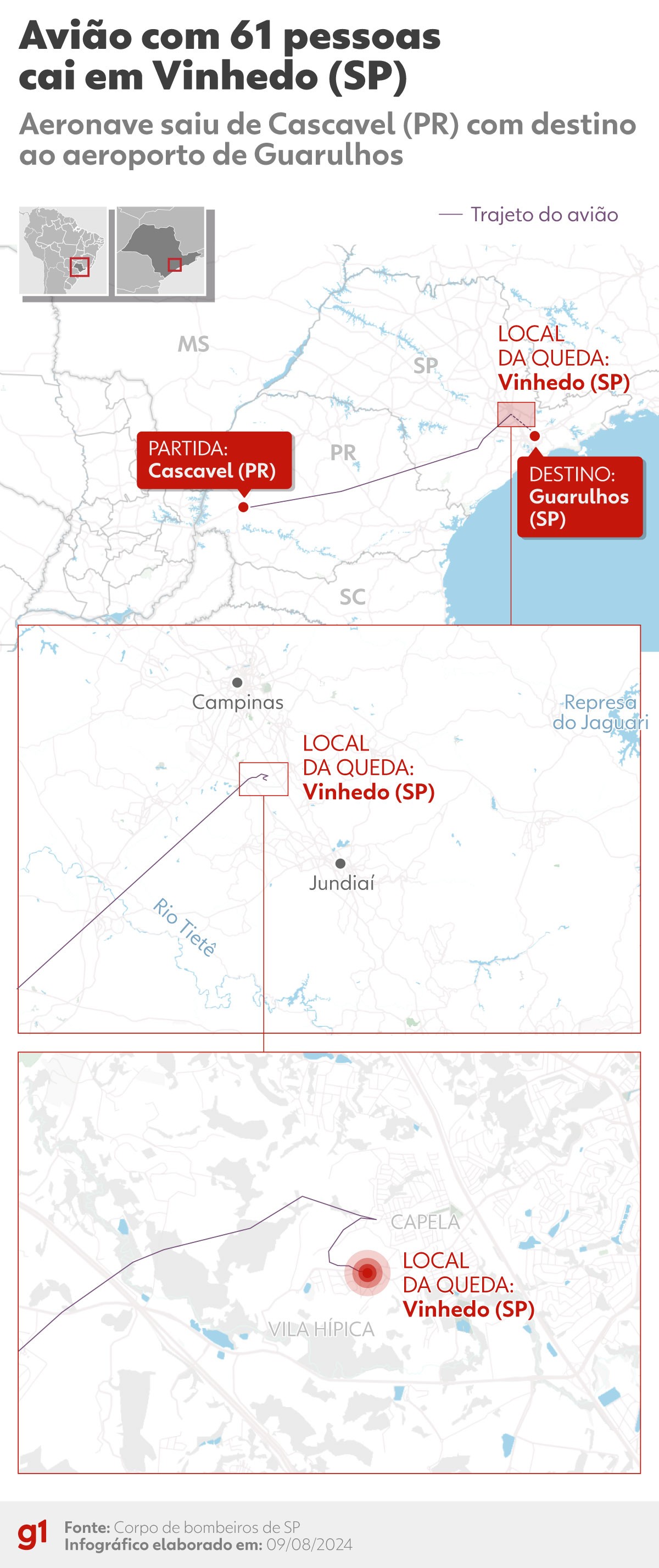
Tragédia aérea: Quatro moradores do Vale e região morreram na queda de - Source g1.globo.com
Tip 1: Comprehensive Pre-Flight Inspections
Thorough inspections of aircraft before takeoff are vital to detect any potential malfunctions or defects. This includes checking all essential systems, such as engines, controls, and instrumentation.
Tip 2: Continuous Maintenance and Repair
Regular maintenance and prompt repairs are crucial for ensuring the ongoing airworthiness of aircraft. Ignoring maintenance issues or delaying repairs can lead to catastrophic consequences.
Tip 3: Compliance with Regulations
Strict adherence to aviation regulations and industry standards is essential. This includes following established flight paths, observing weather conditions, and maintaining proper communication.
Tip 4: Pilot Training and Proficiency
Pilots must receive comprehensive training and demonstrate proficiency in handling aircraft in various scenarios. Regular refresher courses and simulations are necessary to maintain their skills and alertness.
Tip 5: Emergency Preparedness
Aircrews should be thoroughly trained in emergency procedures and have access to appropriate equipment. This includes knowledge of evacuation techniques, survival strategies, and communication with rescue teams.
Conclusion
By implementing these tips, the aviation industry can strive to enhance safety and prevent similar tragedies in the future. It is imperative that all stakeholders prioritize safety above all to ensure the well-being of passengers and crew.
For more information, refer to the article Tragédia Aérea Na Bahia: Avião Cai E Causa Múltiplas Mortes.
Tragédia Aérea Na Bahia: Avião Cai E Causa Múltiplas Mortes
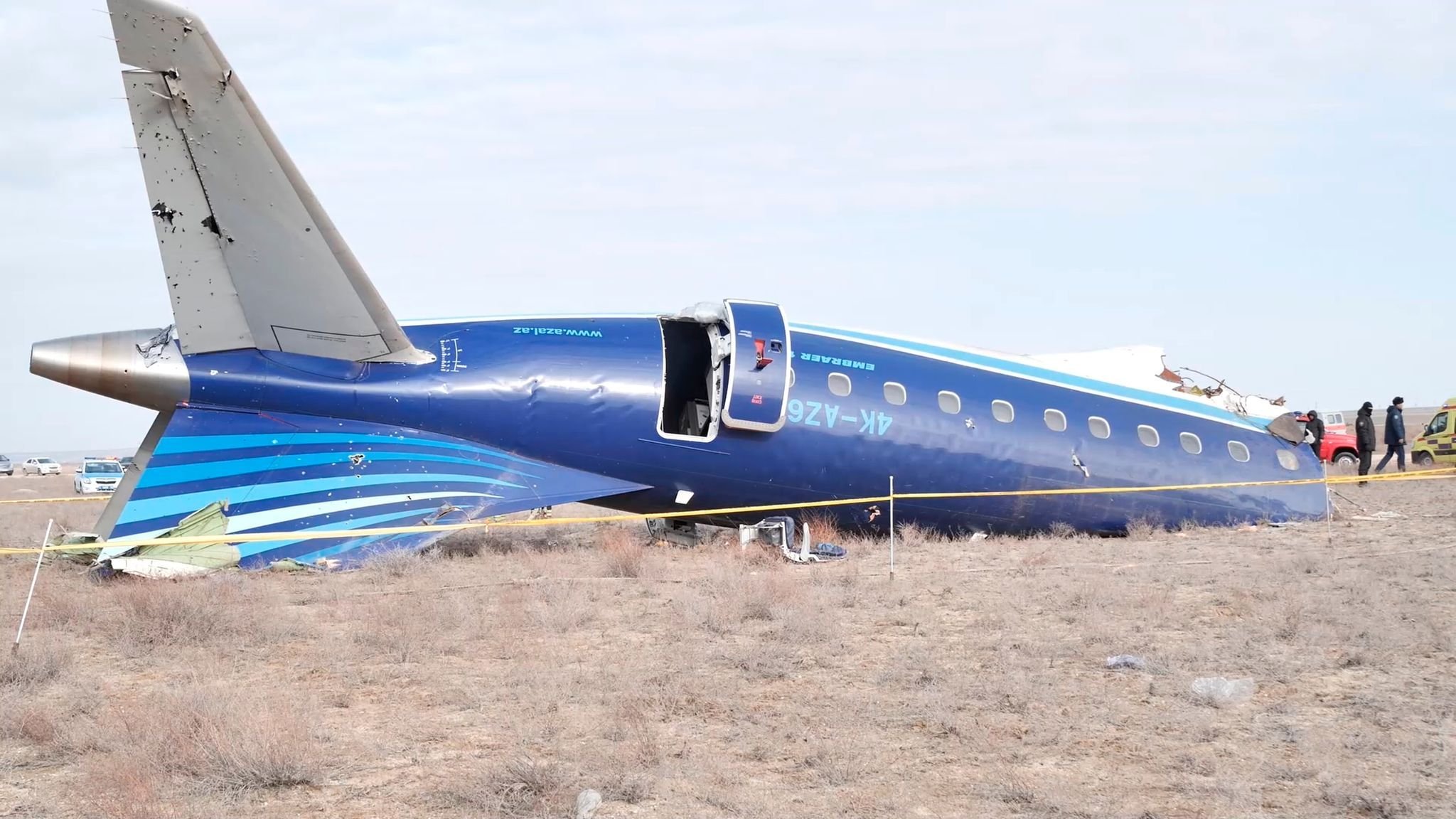
Offene Fragen nach Absturz von Flugzeug in Kasachstan - Source www.schwaebische.de
The tragic plane crash in Bahia, Brazil, has left a deep impact, emphasizing the significance of understanding the key aspects that surround such a devastating event.
- Human Loss: Devastating loss of lives, leaving families and communities in mourning.
- Cause Investigation: Determining the cause of the crash is crucial for preventing similar tragedies.
- Aircraft Maintenance: Regular maintenance and safety checks are vital for ensuring aircraft reliability.
- Weather Conditions: Adverse weather can significantly impact flight operations and safety.
- Flight Safety Regulations: Adherence to strict safety regulations is essential for maintaining aviation safety.
- Emergency Response: Coordinated and efficient emergency response can save lives and mitigate the impact of the crash.

Chapecoense Soccer Team’s Plane Crashes, Leaving Brazil Devastated - Source www.nytimes.com
These aspects highlight the importance of thorough investigations, adherence to safety protocols, and preparedness for potential emergencies. They also serve as reminders of the fragility of human life and the need for continued efforts to enhance aviation safety to prevent such tragedies in the future.
Tragédia Aérea Na Bahia: Avião Cai E Causa Múltiplas Mortes
A tragic plane crash in Bahia, Brazil, has claimed the lives of dozens of people. The aircraft, operated by a regional airline, went down shortly after takeoff from Salvador Airport. The cause of the crash is still under investigation, but witnesses reported seeing the plane on fire before it crashed into a residential area.

Profª: Ivani Ferreira: Projeto Junino- Festa Junina/ Educação infantil - Source www.cnss.gov.lb
The crash has sent shockwaves through the community and raised concerns about the safety of air travel in Brazil. The country has a history of plane crashes, and this latest tragedy has prompted calls for increased regulation and oversight of the aviation industry.
The families of the victims are devastated by the loss of their loved ones. They are demanding answers about what caused the crash and are calling for compensation from the airline. The government has promised a thorough investigation and has pledged to take action to prevent future tragedies.
Conclusion
The plane crash in Bahia is a reminder of the dangers of air travel and the importance of safety regulations. The investigation into the cause of the crash is ongoing, but it is clear that there are serious problems with the aviation industry in Brazil. The government must take action to improve safety and prevent future tragedies.
The families of the victims deserve answers and compensation. The government must ensure that they receive both.
