


The volcanic eruption on the Greek island of Santorini in the Aegean Sea circa 1600 BCE was one of the largest volcanic events in recorded history.

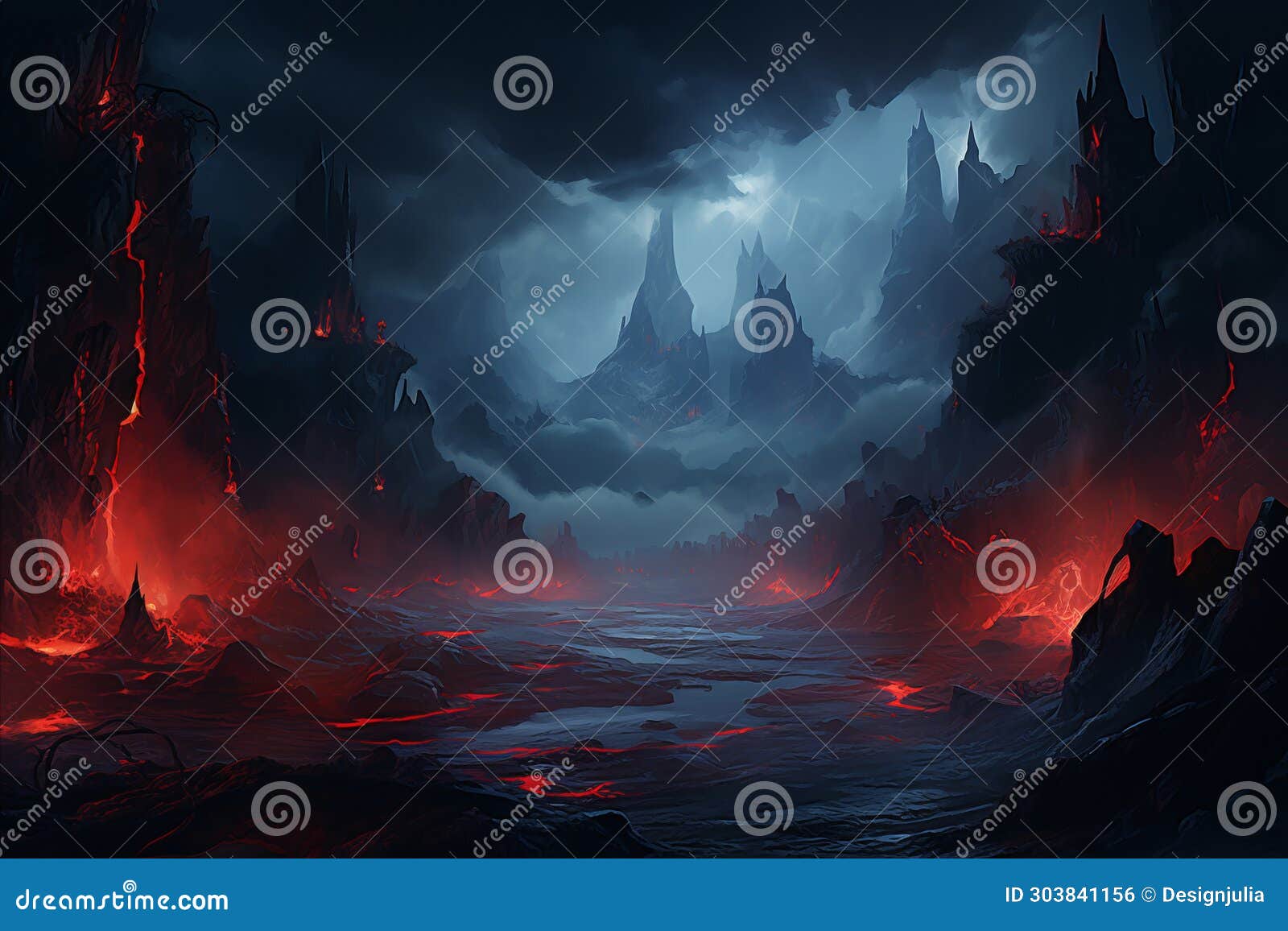
Santorini Volcanic Eruption on Island Illustration Generative Ai Stock - Source www.dreamstime.com
Our team has analyzed and dug up information, made Unveiling The Devastating Impact Of The Santorini Volcanic Eruption we put together this Unveiling The Devastating Impact Of The Santorini Volcanic Eruption guide to help target audience make the right decision.
The eruption is thought to have caused a tsunami that devastated the Minoan civilization on the island of Crete, and also may have contributed to the collapse of the Akkadian Empire in Mesopotamia.
The eruption is believed to have had a profound impact on the global climate, causing a period of cooling known as the Minoan eruption winter.
The eruption also left a lasting legacy in the form of the caldera, which is now a popular tourist destination.
The eruption of Santorini was a catastrophic event that had a profound impact on the ancient world.
The eruption is thought to have been caused by the collapse of a magma chamber beneath the island.
The eruption produced a massive ash cloud that spread across the Mediterranean Sea.
The ash cloud blocked out the sun, causing a period of darkness that lasted for several months.
The darkness caused a global cooling event that lasted for several years.
The cooling event caused widespread crop failures and famine.
The famine led to the collapse of the Minoan civilization.
The eruption of Santorini was a truly catastrophic event that had a profound impact on the ancient world.
FAQ
This FAQ section provides comprehensive answers to frequently asked questions, dispelling any misconceptions and offering a deeper understanding of the devastating impact of the Santorini volcanic eruption.
Question 1: What was the magnitude of the Santorini volcanic eruption?
The Santorini volcanic eruption ranks as one of the largest known eruptions in human history, with a Volcanic Explosivity Index (VEI) of 7. This cataclysmic event released an energy equivalent to approximately 100 megatons of TNT, several times more powerful than the nuclear bombs dropped on Hiroshima and Nagasaki combined.

Santorini Volcanic Eruption on Island Illustration Generative Ai Stock - Source www.dreamstime.com
Question 2: When did the Santorini volcanic eruption occur?
The precise timing of the Santorini volcanic eruption is still debated, but most experts place it around 3,600 years ago, during the Bronze Age. This timeline is based on archaeological evidence, ice core records, and radiocarbon dating techniques.
Question 3: What were the immediate effects of the eruption?
The immediate effects of the Santorini volcanic eruption were catastrophic. The massive explosion triggered a series of tsunamis that devastated coastal areas, reaching heights of up to 100 meters in some places. The eruption also blanketed the region with thick layers of ash and pumice, suffocating nearby settlements and causing widespread destruction.
Question 4: Did the eruption trigger a global climate shift?
The Santorini volcanic eruption likely had a significant impact on the global climate. The massive release of ash and sulfur dioxide into the atmosphere may have caused a temporary cooling effect, known as a volcanic winter. However, the precise extent and duration of this climate shift remain uncertain.
Question 5: How did the eruption impact human civilization?
The Santorini volcanic eruption is believed to have played a major role in the collapse of the Minoan civilization, one of the earliest and most advanced civilizations in the Mediterranean region. The eruption decimated Minoan settlements on Crete and the surrounding islands, leading to widespread displacement, social upheaval, and economic decline.
Question 6: What are the ongoing geological implications of the eruption?
The Santorini volcanic eruption has had lasting geological implications. The caldera formed by the eruption continues to be active, with frequent seismic activity and occasional volcanic eruptions. The ongoing volcanic activity poses potential threats to the local population and requires ongoing monitoring and management.
Conclusion:
The Santorini volcanic eruption was a cataclysmic event that had profound impacts on both the geological landscape and human history. By understanding the scale and consequences of this ancient eruption, we gain valuable insights into the potential risks and challenges posed by volcanic activity in the present day.
Tips
The Santorini volcanic eruption, which occurred around 1600 BCE, was one of the most devastating volcanic events in human history. Unveiling The Devastating Impact Of The Santorini Volcanic Eruption Explore these crucial tips to understand the profound consequences of this catastrophic natural disaster:
Tip 1: Delve into the Archaeological Evidence: Excavations at Akrotiri, a thriving Bronze Age city on the island of Thera, provide unparalleled insights into the cataclysmic destruction caused by the eruption. The well-preserved ruins, including intricate frescoes and sophisticated architecture, vividly depict the advanced civilization that flourished before the disaster.
Tip 2: Analyze the Volcanic Deposits: Extensive layers of volcanic ash and pumice, known as tephra, blanket the region surrounding Santorini. By studying the distribution and composition of these deposits, scientists can reconstruct the eruption's magnitude, explosivity, and dispersal patterns.
Tip 3: Examine Climate Records: The Santorini eruption released vast amounts of sulfur dioxide and ash into the atmosphere, leading to a global cooling event known as the "Thera winter." Tree-ring records and ice cores reveal evidence of widespread crop failures and societal disruptions across the Mediterranean and beyond.
Tip 4: Explore Geological Formations: The unique geological formations on Santorini, such as the caldera and the Red Beach, offer tangible reminders of the volcanic cataclysm. Visiting these sites provides a firsthand perspective on the immense scale and transformative impact of the eruption.
Tip 5: Understand Societal Impacts: The Santorini eruption likely played a significant role in the collapse of the Minoan civilization on Crete. Ongoing research investigates the disruption of trade routes, economic systems, and cultural practices that resulted from this catastrophic event.
These tips offer a glimpse into the profound and far-reaching consequences of the Santorini volcanic eruption. By exploring the archaeological remains, volcanic deposits, climate records, geological formations, and societal impacts, we gain a deeper understanding of this transformative event that shaped human history.
Unveiling The Devastating Impact Of The Santorini Volcanic Eruption
The colossal Santorini volcanic eruption, cataclysmic in its proportions, remains a crucial event in earth's history, leaving an indelible mark on civilizations and the landscape. Unraveling its devastating impact necessitates a comprehensive analysis of its key aspects, ranging from its immediate effects to its broader implications.
- Ashfall and Pyroclastic Flows: Santorini's colossal eruption spewed ash and pyroclastic flows, decimating surrounding settlements and blanketing the region in a thick layer of volcanic debris.
- Tsunami Generation: The massive explosion triggered a catastrophic tsunami, devastating coastal areas and leaving a trail of destruction.
- Climate Impact: The eruption's immense ash and gas emissions had profound effects on global climate, potentially causing a prolonged period of cooling known as a volcanic winter.
- Cultural Devastation: Thera and Akrotiri, flourishing Minoan settlements, were buried under the volcanic debris, leading to their abandonment and erasure from history.
- Legend and Mythology: The eruption left an enduring legacy in human storytelling, inspiring myths and legends that continue to captivate imaginations.
- Ongoing Research: Scientific investigations continue to shed light on the eruption's multifaceted impact, reconstructing its timeline, dynamics, and far-reaching consequences.
These key aspects provide a comprehensive understanding of the Santorini volcanic eruption's devastating impact. The ashfall and pyroclastic flows destroyed settlements, while the tsunami ravaged coastlines. Its climate effects had global repercussions, and its cultural impact profoundly shaped history. The eruption remains a subject of ongoing research, offering valuable insights into volcanic processes and their potential consequences.
Crisis Unveiled. Devastating Impact of Global Warming on Wildlife and - Source www.dreamstime.com

Premium AI Image | Crisis unveiled devastating impact of global warming - Source www.freepik.com
Unveiling The Devastating Impact Of The Santorini Volcanic Eruption
The Santorini Volcanic Eruption, which occurred around 1600 BC on the Greek island of Santorini, was one of the most powerful volcanic eruptions in recorded history. The eruption had a devastating impact on the surrounding area, causing widespread destruction and loss of life. The eruption also had a significant impact on the global climate, leading to a period of cooling known as the Minoan Eruption.

Premium Photo | Devastating aftermath of a volcanic eruption blazing - Source www.freepik.com
The Santorini Volcanic Eruption was caused by the collapse of a large magma chamber beneath the island. The collapse triggered a massive explosion that sent ash and pumice high into the atmosphere. The ash and pumice fell back to earth, burying the island and the surrounding area in a thick layer of debris. The eruption also caused a tsunami that devastated coastal areas around the Mediterranean Sea.
The Santorini Volcanic Eruption had a profound impact on the Minoan civilization, which flourished on the island of Crete at the time of the eruption. The eruption destroyed the Minoan palaces and settlements, and it is believed to have caused the collapse of the Minoan civilization.
The Santorini Volcanic Eruption is a reminder of the power of nature and the importance of understanding volcanic hazards. The eruption also provides valuable insights into the history of the Minoan civilization and the global climate.
| Cause | Impact |
|---|---|
| Collapse of a large magma chamber beneath the island | Massive explosion that sent ash and pumice high into the atmosphere, burying the island and the surrounding area in a thick layer of debris, and causing a tsunami that devastated coastal areas around the Mediterranean Sea |
Conclusion
The Santorini Volcanic Eruption was one of the most powerful volcanic eruptions in recorded history. The eruption had a devastating impact on the surrounding area, causing widespread destruction and loss of life. The eruption also had a significant impact on the global climate, leading to a period of cooling known as the Minoan Eruption.
The Santorini Volcanic Eruption is a reminder of the power of nature and the importance of understanding volcanic hazards. The eruption also provides valuable insights into the history of the Minoan civilization and the global climate.
